
Jonathan Meiburg is busy person. He’s an author and musician who has written for Tape Op, and who we interviewed in issue #148 on his work with his...
1956 was a pivotal year in the music of Miles Davis. It consolidated his "First Great Quintet" which included Red Garland, Philly Joe Jones, Paul Chambers, and John Coltrane. To make good on his contract with Prestige Records, Davis took his group into Rudy Van Gelder's [Tape Op #43] studio in Hackensack, New Jersey, for marathon sessions that resulted in four influential records (Cookin', Relaxin', Workin', and Steamin'), all instrumental in defining the hard bop genre. 1956 also brought collaborations with Sonny Rollins and Tommy Flanagan, material that was released as Collectors' Items. Art Taylor and Red Garland also make session appearances.
To mark the 70th anniversary of these sessions, Craft Recordings is releasing Miles '56: The Prestige Recordings. It is a 4 LP box set (also available as a 3 CD set) of 180-gram black vinyl, remastered from the original analog tapes by Paul Blakemore. Lacquers were cut for the 180-gram vinyl LP edition by Kevin Gray at Cohearent Audio, and transfers from the original tapes done by Plangent Processes. The box set also includes a beautiful booklet full of session photos and liner notes by Ashley Kahn and Dan Morgenstern.

I reviewed the release of the Miles '54: The Prestige Recordings box set HERE, and Craft Recordings has once again, outdone themselves with an outstanding package of excellent sounding pressings. The remastering brings an extra level of clarity and nuance to Van Gelder's already incredible recordings of a band pushing the boundaries of the time. Of course, John Coltrane and Miles Davis continued to forge new ground with their future ensembles, compositions, and playing, but 1956 was a benchmark year for both.
There were many great jazz albums released in 1956. Horace Silver and the Jazz Messengers, Kenny Dorham's 'Round About Midnight At The Club Bohemia, and Hard Bop by Art Blakey & The Jazz Messengers, to name a few. All capture the energy, and sometimes ferocious nature of the hard bop genre, but there is something magical and voodoo-like about Miles' group from this era. It is especially evident to me on the ballads and mid-tempo tunes from this timeframe. "In Your Own Sweet Way," "When I Fall In Love," "Ahmad's Blues," and "Surrey With The Fringe On Top" are all great examples of the music happening in between the notes. Space was always Miles' secret weapon, and he surrounded himself with players that also understood this approach.
Miles has so many great periods, and each was defined by his band and his tireless pursuit of pushing forward. I am a devoted fan and collector of Miles Davis' music, and I listen to and appreciate each of the stages in his career and musical output. In a Silent Way, Kind of Blue, Big Fun, Jack Johnson, Get Up With It, Nefertiti, and Bitches Brew are some of my favorites from his vast catalog, and I recognize the impact each has had on my own ideas about music and sound. But, just as you can hear the transition from Filles De Kilimanjaro to In a Silent Way, and from there to Bitches Brew, the music he recorded in 1956 set the stage for his 1958 release, Milestones, which introduced his first "modal jazz" track, "Milestones". Although Porgy and Bess, a collaboration with Gil Evans, was released after Milestones, he picked up from where he left off and released the best-selling jazz album of all-time, Kind of Blue. If you wanted to keep drawing relational lines, you could connect the space and hue of "He Loved Him Madly" from Get Up With It (1974), back to "Blue in Green" from Kind of Blue. My point is, Davis' music from 1956 was just one epic chapter in a long and storied musical novel, but it is one worth reading cover to cover. The difference between Miles Davis and many of his contemporaries at the time, was that Miles never looked back. While others may have continued to refine their craft, they typically stayed within the boundaries of their genre. Miles made a statement and then pushed forward into new territory. He was always exploring. Wah-wah trumpet, electronics, distortion, Cyndi Lauper and Michael Jackson covers, provocative fashion, and psychedelic album art. He shared bills with the Grateful Dead, Santana, Neil Young & Crazy Horse, The Steve Miller Band, Frank Zappa, and more. He also forged a path for others to explore. Notably, band members like Herbie Hancock, Tony Williams, Chick Corea, and Wayne Shorter (to name just a few) also pushed beyond the boundaries of what "jazz" was, and meant. The term "jazz" is now as broad as "rock". Kamasi Washington, Yussef Dayes, Ezra Collective, Tortoise [Tape Op #23] , John Zorn, Whose Hat Is This, Dawn of Midi, Ian Chang [Discussion #29], Bill Frisell [Discussion #1], and countless others have embraced the idea put forth by Miles; music has no true constraints.
If you are just beginning your own journey into the music of Miles Davis, sure, get yourself a copy of Kind of Blue, and then start working your way backwards and forward from there. Miles '56: The Prestige Years is a great stop along the way.
You can pre-order the vinyl or CD box set HERE
Tape Op is a bi-monthly magazine devoted to the art of record making.
Or Learn More
MORE ENTRIES
BLOG
New Album and Video from Porcelain, Produced by Scott Evans
By John Baccigaluppi
July 24, 2026
Over the weekend, I stumbled on the new single and video “Apocalypse” by Porcelain and noticed that it was produced, recorded, and mixed by Tape Op...

BLOG
Laura Veirs' new LP, Temple Songs, coming soon!
By Larry Crane
July 21, 2026
Laura Veirs has a new LP, Temple Songs, coming out August 14th. Here's a video on the making of the album, the first she has recorded on her own....
BLOG
New LP from Hannah Cole Mixed by Sonny DiPerri
July 15, 2026
Nashville based artist Hannah Cole has a new LP, Switchbacks, out September 4th, and has just released the track “MMA”, and the video to go along with...

BLOG
Meaningful Stone - New Song and Video with Jay Som
By John Baccigaluppi
July 15, 2026
Check out the new song, “1+1=0”, and fun video from South Korean artist Kim Jimin, who records as Meaningful Stone. The track is a collaboration with...
BLOG
Andrew Sa, Missy Thangs, and H.C. McEntire: It Takes Trust
By Meredith Hobbs Coons
July 15, 2026
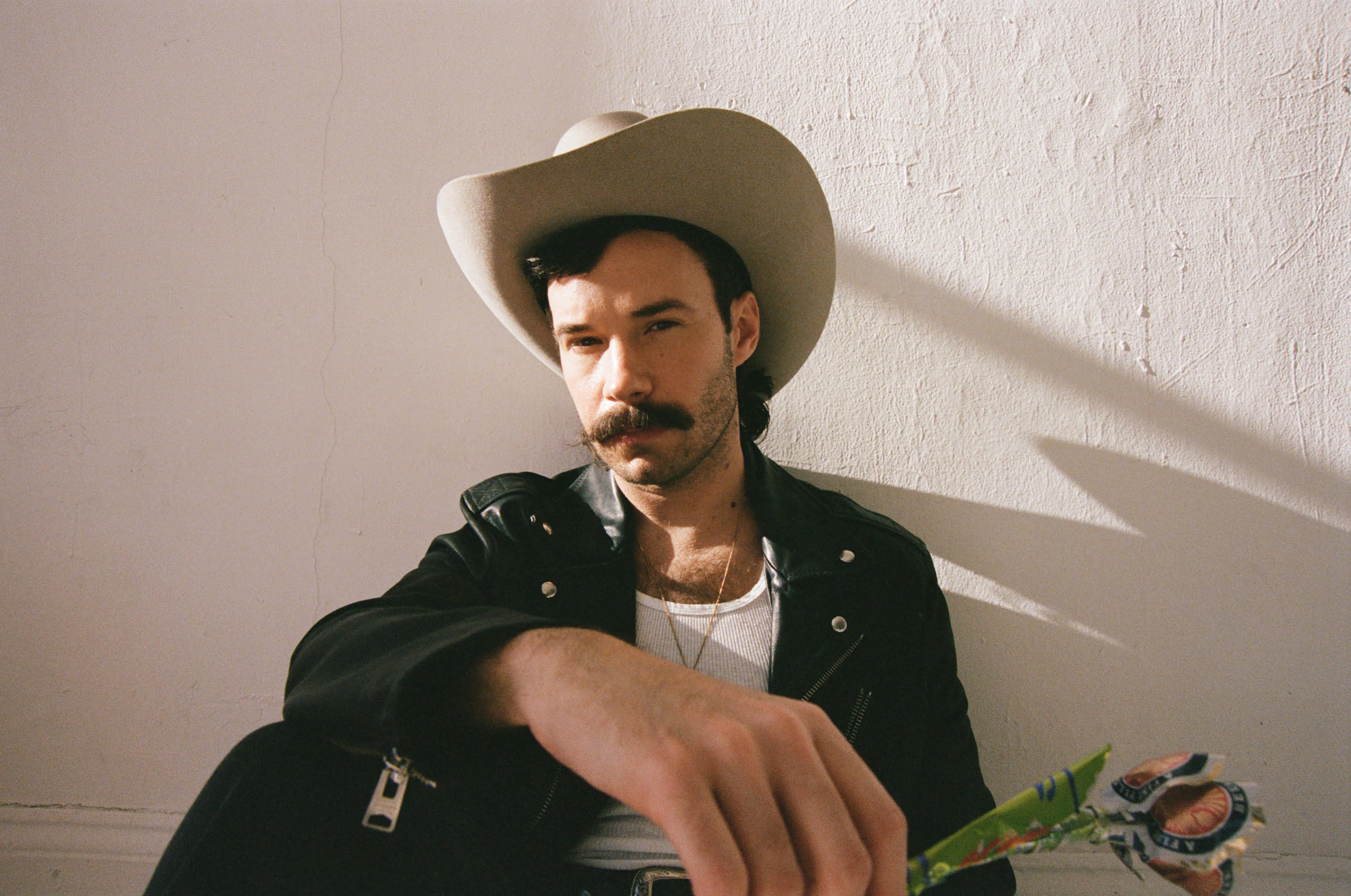
Andrew Sa, in and of himself, is an interesting artist, his talents shaped by his childhood performances at his mother’s karaoke joint then honed...
BLOG
New Jack White: Frozen Charlotte
By Geoff Stanfield
July 12, 2026
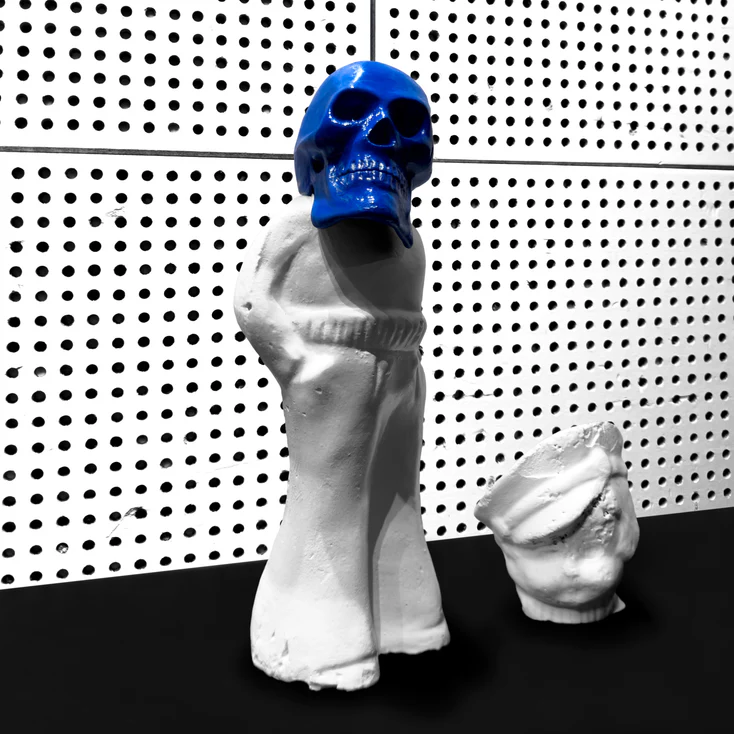
If I was forced to write four word review of Jack White's new album, Frozen Charlotte, it would go like this: Heavy, grooving, fuzzy, classic. Jack...
BLOG
New Albums and Video from Jeff Parker and SML Recorded by Bryce Gonzales
By John Baccigaluppi
July 6, 2026
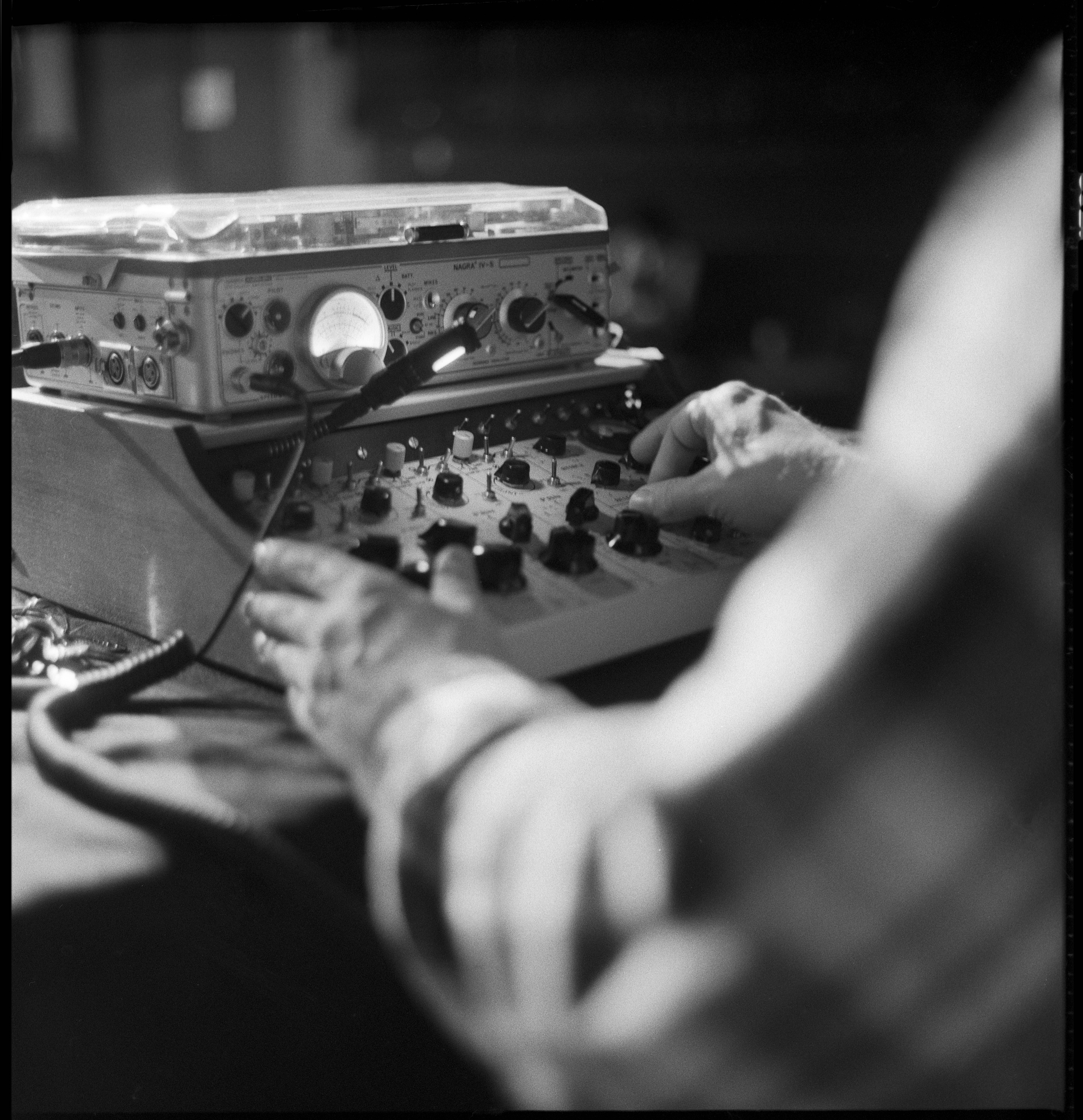
We interviewed Bryce Gonzales in Tape Op#165 and did a deep dive into his technique and handmade tube gear he was using to record live jazz records to...
BLOG
New track, video and upcoming LP from Emily A. Sprague
By John Baccigaluppi
July 5, 2026
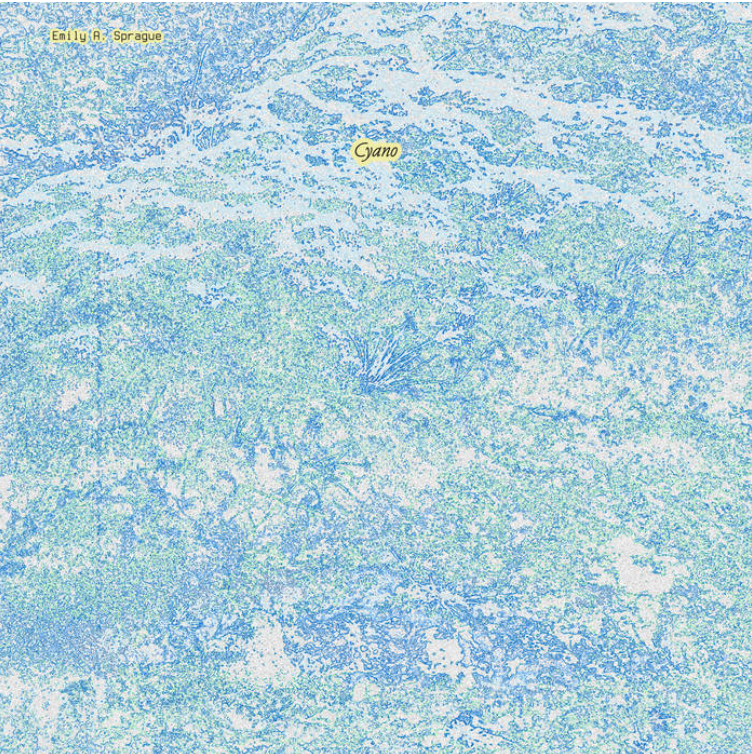
We interviewed Emily A. Sprague in Tape Op#171 and her 2025 LP Cloud Time landed on our year end best of list more than once. If you’ve been following...